Unpredictable weather, characterized by extreme temperature changes, erratic rainfall patterns, and an increasing frequency of extreme climate events, has significant and diverse impacts on the agricultural sector. A clear example can be seen in East Lampung Regency, particularly the flooding of the Way Sekampung River in Sekampung Udik District. Excessive rainfall caused the river to overflow, submerging 400 to 600 hectares of rice and corn fields. The crops died, resulting in total crop failure, as the rainfall schedule became impossible to predict.

Furthermore, prolonged droughts lasting 70 to 90 days have occurred in Margatiga District, Labuan Maringgai District, and surrounding areas. Thousands of hectares of rice and corn crops withered and died, causing harvest yields to drop by 50% to 70%. Farmers were forced to replant, but their efforts failed as the rains failed to arrive.
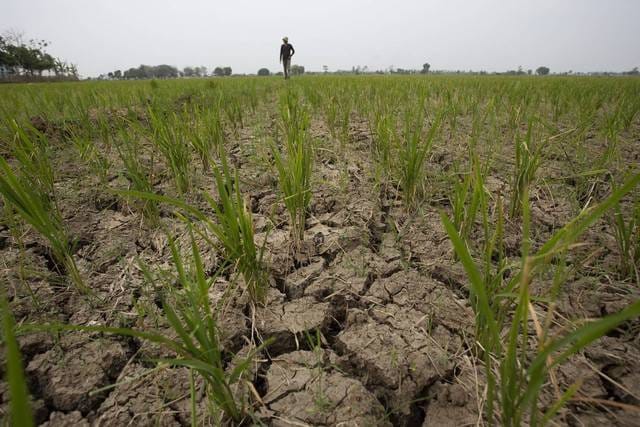
There is a profound philosophy that states: “Tani iku Nandur Kapercayaan marang Alam” (Farming is an act of placing trust in Nature). When weather patterns change drastically, as has been the case from 2023 to the present, this trust seems to be shaken. However, the philosophical message becomes even deeper: “Nature can still be trusted, but its rhythm has changed because our behavior has also changed.”
The droughts and floods in East Lampung reflect that this trust is reciprocal. We ask nature for produce, but have we done enough to protect river basins, preserve forests, and avoid damaging the soil? When nature changes, this philosophy teaches us that we must restore balance rather than simply blaming the weather. Trust must now be accompanied by a sense of responsibility to protect the environment.
Nama : Ryan Saputra Ar Rasyid
NIM : 25544010113
Kelas : 2C Agribisnis